
The way professionals present themselves online is changing faster than most people realize.
For nearly two decades, LinkedIn profiles have been the default professional identity on the internet. Recruiters search there, companies post jobs there, and professionals treat it like their digital resume.
But something important is happening.
Companies are increasingly asking a new question before hiring:
“Can we see how this person actually communicates and thinks?”
And a static profile cannot answer that.
This is where video portfolios are starting to take center stage. Instead of reading bullet points about someone’s experience, employers can watch how a candidate explains their work, presents ideas, and interacts professionally.
So in 2026, which format is actually winning?
Let’s break it down.
The Traditional Power of LinkedIn Profiles
LinkedIn remains one of the most powerful professional networks in the world.
It functions as a digital identity layer for professionals across industries.
A typical LinkedIn profile includes:
- Work experience
- Skills and endorsements
- Recommendations
- Education
- Posts and activity
- Professional connections
Recruiters often use LinkedIn for three key reasons:
1. Discovery
LinkedIn allows recruiters to search professionals based on:
- Job titles
- Skills
- Location
- Industry
This makes it a powerful talent discovery engine.
2. Professional credibility
A well-built LinkedIn profile signals:
- Experience
- Professional network
- Career progression
It acts as a professional record of someone’s career journey.
3. Industry visibility
Professionals can also share content, comment on industry trends, and build authority through posts.
This helps candidates create a public professional voice.
However, LinkedIn profiles also have limitations.
The Problem with Static Professional Profiles
Despite its advantages, LinkedIn profiles still rely heavily on text-based representation.
This creates three major issues in hiring.
1. Anyone can write impressive bullet points
A resume or LinkedIn profile can claim:
- “Excellent communicator”
- “Strategic thinker”
- “Sales leader”
But recruiters cannot immediately verify those claims.
2. Communication ability is invisible
Many roles today require strong communication skills:
- Sales
- Marketing
- Leadership
- Customer success
- Consulting
Yet recruiters only see text descriptions, not actual communication ability.
3. Personality and presence are missing
Hiring decisions are often influenced by:
- Confidence
- Clarity of thought
- Energy
- Professional presence
Static profiles simply cannot convey these qualities.
This is where video portfolios start to change the equation.
What Is a Video Portfolio?
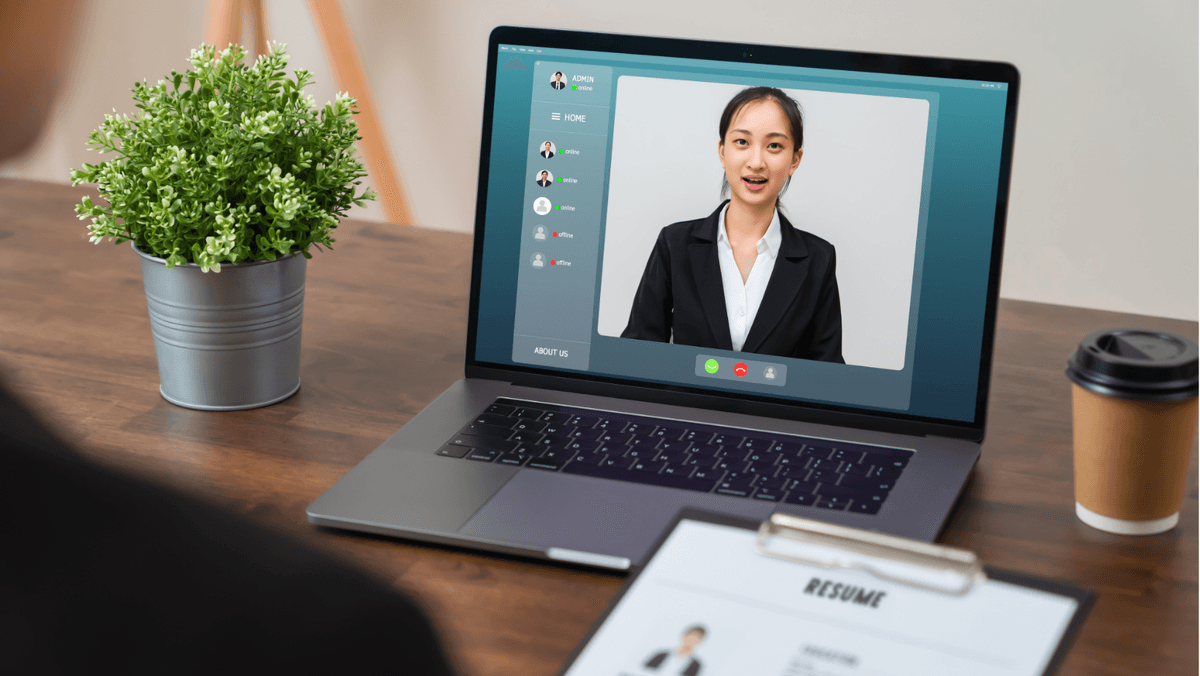
A video portfolio is a professional profile where candidates present themselves through short videos.
Instead of relying only on written descriptions, candidates can demonstrate:
- Their communication style
- Problem-solving thinking
- Professional confidence
- Personality and clarity
A typical video portfolio may include:
- Personal introduction video
- Work experience explanation
- Case study walkthrough
- Portfolio demonstrations
- Client results or project outcomes
This allows employers to evaluate candidates much faster and more accurately.
Why Companies Are Paying Attention to Video Portfolios
Hiring teams today face a major challenge:
Too many applications and not enough clarity.
Many recruiters review hundreds of resumes for a single role.
Video portfolios help solve that problem in several ways.
1. Faster candidate evaluation
Instead of reading multiple pages of resumes, recruiters can watch a 90-second introduction video.
Within minutes they can understand:
- How clearly someone communicates
- Whether the candidate understands their field
- If the candidate fits the company culture
2. Real communication skills
Communication is critical in modern roles.
Video allows recruiters to observe:
- Clarity
- Confidence
- Professional tone
- Thinking structure
This creates a much stronger signal than text alone.
3. Trust and authenticity
Video profiles are harder to fake.
When candidates explain their work on camera, employers gain a much clearer sense of:
- Authenticity
- Expertise
- Experience
This increases trust during the hiring process.
Where LinkedIn Still Wins
Even with the rise of video portfolios, LinkedIn still has several advantages.
Massive professional network
LinkedIn has become a global professional graph connecting millions of companies and professionals.
It is still the primary platform for:
- Networking
- Industry conversations
- Career visibility
Content distribution
Professionals can build authority by posting:
- Insights
- Industry analysis
- Career lessons
- Thought leadership
This makes LinkedIn a strong personal branding tool.
Recruiter search systems
Recruiters rely heavily on LinkedIn’s search tools to identify potential candidates quickly.
Because of this, LinkedIn will likely remain a key discovery channel.
Where Video Portfolios Win
While LinkedIn excels at networking and discovery, video portfolios dominate in areas where hiring decisions actually happen.
First impression
Video allows candidates to create a powerful first impression immediately.
Instead of reading about someone, employers can experience their presence.
Showcasing real expertise
Candidates can walk through:
- Projects
- Case studies
- Results
- Strategies
This turns the profile into evidence instead of claims.
Differentiation
Most candidates still rely on text-based resumes.
A strong video portfolio instantly makes someone stand out from the competition.
The Future: Hybrid Professional Profiles
The real answer is not choosing between LinkedIn and video portfolios.
The future is a hybrid professional identity.
Professionals will likely use:
- LinkedIn for networking and discovery
- Video portfolios for demonstrating expertise and communication
This combination creates a complete professional profile.
LinkedIn helps employers find candidates.
Video portfolios help employers decide who to hire.
Why Video-First Hiring Platforms Are Emerging
As hiring evolves, platforms are beginning to rethink how professionals present themselves.
Instead of relying solely on resumes and written profiles, new platforms focus on:
- Video introductions
- Skill demonstrations
- Case study explanations
- Real communication ability
This shift reflects a simple reality:
Hiring decisions are ultimately about people, not documents.
Video allows companies to evaluate candidates in a way that feels much closer to a real conversation.
Final Verdict: Which One Wins in 2026?
LinkedIn will remain an essential professional network.
But when it comes to standing out in hiring, video portfolios are quickly gaining momentum.
Professionals who combine both approaches will have a significant advantage:
- LinkedIn for visibility
- Video portfolios for impact
As hiring becomes faster and more global, companies will increasingly prefer candidates who can clearly show their skills, not just list them.
And in that environment, the professionals who communicate effectively on camera will often move ahead of those who rely solely on traditional resumes.